Toilet Smells Like Sewer Gas: Causes and Fixes for Penrith Homes
If your toilet smells like sewer gas, it’s not just unpleasant—it’s your plumbing system warning you that something isn’t sealing, venting, or draining the way it should. Many Penrith homeowners assume it’s a “dirty toilet” issue, so they scrub harder, use stronger cleaners, and spray more air freshener. But sewer gas smell is usually not a cleaning problem. It’s often caused by a broken seal, a dry trap, a blocked drain, or a venting issue that needs a real plumbing fix.
Our team at Blue Mountains Local Plumber has seen this exact complaint in homes across Penrith: “The bathroom smells like sewage, but I can’t see a leak.” That’s common—because sewer gas can escape through tiny gaps and weak points without leaving obvious puddles.
In this pillar guide, you’ll learn:
- What sewer gas is and why your home is supposed to block it
- The most common causes of toilet sewer smells in Penrith homes
- What you can safely check yourself (and what you shouldn’t do)
- How a licensed plumber diagnoses the real cause without guessing
- The fixes that stop the smell from coming back
And at the end, I’ll show you exactly how we can help, including our 24/7 emergency plumbing, blocked drain clearing, CCTV drain inspections, water jetting, leak detection, and more.
The quick answer: why does my toilet smell like sewer gas?
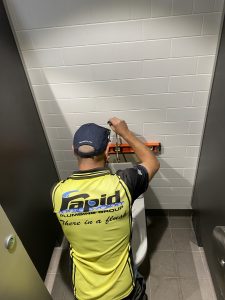
A sewer smell near the toilet typically means sewer gases are escaping the drainage system and entering your bathroom. That happens for one of two big reasons:
- A seal is missing or failing
This could be the wax ring under the toilet, a loose joint, or a dried-out water trap that normally blocks gases. - Air pressure is wrong in the plumbing system
If a vent is blocked or there’s a drain blockage, pressure changes can suck water out of traps or push odours back into the room.
In practical terms, here’s what we see most often on service calls for residential plumbing in Penrith:
- Toilets that wobble slightly and break the wax seal
- Floor waste drains drying out in guest bathrooms
- Blocked drains from wipes, grease, soap build-up, or tree roots
- Venting problems that cause gurgling and bad smells after flushing
Because Blue Mountains Local Plumber handles both the obvious and hidden causes—toilet repairs, drain cleaning, camera inspections, and vent/pressure issues—we can fix it properly, not just mask it.
What “sewer gas” actually is (and why you shouldn’t ignore it)
Sewer gas is the odour (and gases) that come from your sewer and drain pipes. That “rotten egg” smell is often linked to hydrogen sulfide, but sewer gas can be a mix of different unpleasant fumes.
Your plumbing is designed to keep those gases out of your home using two key protections:
1) Water traps (your first line of defence)
- The toilet bowl holds water that acts like a barrier.
- Sinks, showers, and floor drains have a U-shaped pipe called a trap (often called a “U-bend”) that holds water to block gases.
If that water barrier disappears (for example, a trap dries out or gets siphoned), sewer odour can enter the room.
2) Vent pipes (your pressure-control system)
Vents run to your roof and allow your drains to “breathe.” They stop pressure from building up and stop siphoning (where water gets pulled out of traps). When venting is blocked or damaged, your bathroom can smell like sewer gas even if everything looks clean.
Is sewer gas dangerous?
Often it’s mainly a comfort and hygiene issue, but you should still take it seriously. Sewer gas exposure can cause:
- headaches and nausea
- throat or eye irritation
- breathing discomfort (especially for kids, older adults, or people with asthma)
Also, if you smell gas (not sewer gas—more like a chemical “gas leak” smell), treat it as urgent. Blue Mountains Local Plumber also provides gas fitting and gas leak detection, so if you’re unsure, we can help you identify what you’re actually smelling and what needs to happen next.
A Penrith homeowner’s checklist: where the smell is coming from
Before you reach for chemicals or start pulling things apart, it helps to narrow down the source. Your nose is giving you clues.
If the smell is strongest at the base of the toilet
This usually points to a failed seal or a movement problem:
- wax ring failure
- loose mounting bolts
- cracked toilet pan
- damaged flange or connection under the toilet
This is where our team often recommends a toilet removal, reseat, and reseal, plus checking the floor condition and making sure the toilet is stable and level.
If the smell comes and goes, especially after flushing
This often points to venting or drainage issues:
- partial blockage in the drain line
- incorrect air pressure in the system
- vent pipe obstruction (leaves, debris, bird nests)
In these cases, it’s common to pair drain cleaning with CCTV camera inspection to confirm whether a blockage, root intrusion, or pipe defect is causing pressure issues.
If the smell is worse after heavy rain or windy days
Weather can affect venting and sewer pressure. After storms, roof vents can become blocked, and damaged vent caps can allow smells to shift in unpredictable ways. If this is your pattern, vent checks and proper diagnosis matter.
If the smell is in the bathroom even when it hasn’t been used
That’s often a trap issue:
- dried-out floor waste trap
- dried-out shower or basin trap in rarely used bathrooms
- trap siphoning from vent problems
We can address this as part of general plumbing inspections and targeted testing.
10 common causes of toilet sewer smells in Penrith homes (and what they mean)
1) A dried-out drain trap (very common in guest bathrooms)
If you have a spare bathroom, an ensuite that rarely gets used, or a laundry/bathroom floor waste drain, the trap water can evaporate over time. When the trap is dry, it’s like leaving a door open to sewer odours.
Signs you’ll notice:
- Smell is strongest near the floor drain, shower, or basin—not just the toilet
- Smell improves temporarily after running water
- Smell returns after a few days of no use
What you can do now:
Run water in every drain for 10–20 seconds, and pour a jug of water down the floor drain. If it fixes it, you found the source.
When it needs a plumber:
If the trap keeps drying out quickly, the system might be siphoning due to venting issues. That’s when we inspect the plumbing layout and may need to diagnose vent performance, drainage patterns, and pressure changes.
Related services we provide:
- general plumbing inspections and testing
- bathroom drain checks and repairs
- venting issue diagnosis
2) Wax ring failure under the toilet (top cause when smell is at the base)
The wax ring is a seal between the toilet and the drain pipe. If it fails, sewer gas can leak into your bathroom—even if you don’t see water.
Signs you’ll notice:
- smell is strongest at the base of the toilet
- toilet rocks slightly
- occasional dampness, staining, or soft flooring near the toilet
- smell is worse after flushing (pressure pushes odour out)
Why it happens in real life:
- the toilet wasn’t tightened properly during install
- the toilet has shifted over time
- the floor was changed (new tiles, new vinyl, renovation) without adjusting the seal height
- repeated minor rocking breaks the seal slowly
The proper fix:
We remove the toilet, check the flange, replace the seal, reseat and level the toilet, and test for leaks and odour. If the floor is damaged, we’ll also explain the next best step to prevent repeat problems.
Related services we provide:
- toilet repairs and installations
- inspections and testing
- emergency plumbing support if the leak has progressed
3) The toilet is rocking or not level (a repeat offender)
Even a small wobble can cause ongoing problems. People often reseal once, but if the toilet remains unstable, the new seal can fail again.
Signs:
- wobble when sitting
- loosening bolts
- repeat sewer odour after “repairs”
- grout cracking around the toilet base
Fix:
We stabilise the toilet properly by levelling it, tightening correctly, and making sure the seal matches the toilet and floor height. Sometimes it requires minor adjustments; sometimes it requires correcting an underlying flange issue.
Related services:
- toilet installation and reseating
- general plumbing repairs
- inspections and testing for repeat problems
4) A partial drain blockage (odours pushed back into the bathroom)
A partial blockage can trap waste and gases, then push smell back through weak points—especially after a flush.
Signs:
- gurgling sounds when flushing
- toilet bowl water level changes
- slow drainage in shower or basin nearby
- smell increases when multiple fixtures are used
Common causes we see:
- wipes and hygiene products
- grease and soap build-up
- scale build-up (in older pipes)
- root intrusion in sewer lines
Best fix (not guessing):
We typically clear it using high-pressure water jetting (very effective for sludge and build-up). If we suspect roots or a damaged pipe, we recommend a CCTV camera inspection so you can see the real cause.
Related services:
- blocked drain clearing and repairs
- water jetting / high-pressure drain cleaning
- drain/sewer cleaning
- CCTV camera inspections
- tree root removal
5) Roof vent blocked or damaged (pressure problems = sewer smell)
Your drain system needs airflow to prevent siphoning and pressure issues. If the vent is blocked, it can:
- suck water out of traps (letting sewer gas through)
- cause gurgling noises
- push smells into bathrooms
Signs:
- gurgling toilet or nearby drains
- smell occurs after flushing
- bathroom smell changes with weather (wind/rain)
What we do:
We assess symptoms, inspect venting pathways, and clear or repair vent issues safely. Venting problems often look like “mystery smells” until properly diagnosed.
Related services:
- inspections and testing
- drain and vent diagnosis
- general plumbing repairs
6) Cracked toilet pan or hidden porcelain damage
Not every toilet crack leaks water. Some cracks allow odour to escape, especially around connection points.
Signs:
- persistent smell despite resealing attempts
- fine hairline cracks
- staining that keeps returning
Fix:
Replace the toilet pan and ensure the drain connection is sealed correctly. We can supply and install toilets as part of general plumbing installation services.
Related services:
- toilet replacements and installations
- plumbing inspections and leak testing
7) Loose waste pipe connections behind the toilet or in the wall
Sometimes the smell isn’t from the toilet itself but from a joint or connection in the waste pipe. These can loosen or degrade over time.
Signs:
- smell behind the toilet or near wall junctions
- smell is stronger after flushing
- no visible leak (gas escapes more easily than water)
Fix:
We trace the odour source and reseal/repair the connection properly. If required, we use camera inspection to confirm the condition inside the line.
Related services:
- general plumbing repairs
- inspections and testing
- CCTV drain inspection
8) Sewer line issues outside the home (roots, cracks, sagging pipes)
Penrith homes with older sewer lines or lots of nearby trees are more likely to experience root intrusion. Roots crack pipes, catch debris, and cause repeat blockages and smells.
Signs:
- multiple drains gurgle
- repeated blockages
- odour isn’t limited to one bathroom
- slow drainage across the home
Fix:
We identify the exact location with CCTV camera inspection, then remove roots, clear the drain, and advise on repair options if the pipe is damaged.
Related services:
- tree root removal
- water jetting
- drain/sewer cleaning
- CCTV inspections
- blocked drain repairs
9) Floor waste drain problems (a common hidden smell source)
Bathrooms often have floor waste drains that people forget about. If the water seal is gone, smells come straight up from the drain.
Signs:
- smell strongest near the floor, not the toilet bowl
- smell is worse during dry weather
- smell improves after pouring water into the drain
Fix:
Sometimes it’s as simple as restoring water to the trap. If it keeps happening, we diagnose siphoning or faulty trap design and recommend the best repair.
Related services:
- bathroom drain checks
- leak detection (if moisture issues are present)
- plumbing inspections and repairs
10) Hidden leaks or damp issues that mix with sewer odours
A bathroom can have a “sewer smell” that’s actually a mix of drain gas plus damp, mouldy odour from hidden leaks—especially near showers, behind walls, or under floors.
Signs:
- smell is both musty and sewer-like
- smell worsens after showers
- paint bubbling or damp patches
- unexplained humidity
Fix:
We use leak detection to locate the problem (water, shower, and even pool-related leaks if relevant), then repair the plumbing issue causing moisture and odour.
Related services:
- leak detection (water/shower/pool)
- general plumbing repairs
- inspections and testing
Quick checks you can do today (and why they work)
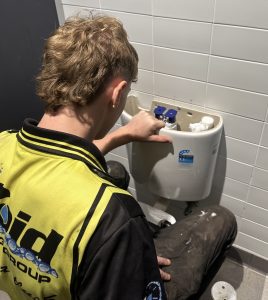
These are safe, simple steps you can try right now. They might solve the smell completely—or give you clear clues to share with a plumber.
Step 2: Check for toilet movement
Gently place a hand on each side of the toilet and see if it wobbles or rocks. Don’t force it or lean your weight into it.
Why it matters: Even a slight wobble can break the wax/rubber seal underneath, letting sewer gas leak out—often with no visible water on the floor.
Step 3: Notice patterns and timing
Make a quick note of:
-
When the smell is strongest (after flushing, first thing in the morning, after rain)
-
Whether any drains gurgle or “burp”
-
Whether the smell is coming from one drain or multiple fixtures
Why it helps: Patterns point to the real cause—dry traps, a partial blockage, or a venting/pressure issue—so the fix is faster and more accurate.
Step 4: Skip chemical drain cleaners
If you’re dealing with slow drains or sewer smells, avoid pouring harsh chemical cleaners down the toilet or drains.
Why: They usually don’t clear the underlying problem, can damage pipes and seals, and can make
What NOT to do (common mistakes that lead to bigger repairs)
Don’t keep masking the smell
Air fresheners hide the symptom, but the problem keeps getting worse—especially with wax ring failures or drain blockages.
Don’t keep using a toilet that rocks
That’s how minor seal problems become:
- water damage
- rotten subfloor
- costly repairs around the base of the toilet
Don’t attempt roof vent work without training
Roof access is dangerous. Vent clearing should be done safely and properly.
Don’t silicone the base to “seal the smell”
This is a big one. Silicone can trap leaks under the toilet and hide the real problem. A proper fix is reseating and sealing the toilet correctly, then testing.
How a plumber actually fixes toilet sewer gas smells (the professional approach)
When you call Blue Mountains Local Plumber for residential plumbing in Penrith, we don’t guess. We diagnose and fix the cause, using the right service for the right problem.
1) Proper inspection and testing
We’ll check:
- toilet stability, bolts, and seal clues
- floor waste and nearby traps
- signs of partial blockages
- gurgling and pressure symptoms
This is where general plumbing inspections and testing saves time—because sewer smell problems often have more than one contributing cause.
2) Toilet repairs, reseating, and seal replacement
If the wax ring or toilet installation is the issue, we:
- remove the toilet safely
- inspect the flange and floor area
- install the correct seal
- level and secure the toilet
- flush-test and odour-test
3) Blocked drain clearing (including water jetting)
If drainage is restricted, we clear the blockage properly using:
- water jetting to break through sludge, soap scum, and build-up
- drain/sewer cleaning to restore full flow
This is especially effective when smells are linked to slow drains, gurgling, or repeat problems.
4) CCTV drain camera inspection for hidden causes
If we suspect roots, cracks, or deeper sewer issues, we use CCTV camera inspections to:
- locate the exact problem
- show you what’s happening
- avoid unnecessary digging
- recommend the most cost-effective repair
5) Tree root removal and sewer line repair strategy
If roots are present, we remove them and advise on next steps depending on pipe condition:
- maintenance clearing (if the pipe is still in good shape)
- repairs (if the pipe is cracked or failing)
6) Leak detection (when odour + damp is involved)
If there’s a shower leak, wall cavity leak, or moisture issue mixing with odour, we use leak detection to locate it precisely and repair it properly.
7) Gas fitting support (when odour might be misidentified)
Sometimes homeowners describe a “gas smell” that turns out to be sewer gas—or vice versa. Because we handle gas plumbing and gas leak detection, we can help confirm what you’re smelling and address it safely.
When a sewer smell becomes an emergency (don’t wait)
Call urgently if:
- the smell is intense and causing headaches or nausea
- drains are backing up or the toilet is close to overflowing
- you hear loud gurgling and multiple fixtures are affected
- you suspect a gas leak (especially if you’re unsure)
We provide 24/7 emergency plumbing, which is ideal for those “this can’t wait” situations—especially if a blockage is building pressure or a seal failure is causing hidden water damage.
Prevention tips for Penrith homes (keep sewer smells from returning)
Keep traps wet (simple weekly routine)
If you have unused bathrooms, run water weekly. Pour a jug into floor drains.
Only flush what belongs
Avoid wipes and hygiene products. They’re a top cause of toilet blockages and sewer smell issues.
Act fast on slow drains and gurgling
Slow drainage and gurgling are early warning signs. Early drain cleaning and water jetting is cheaper than emergency call-outs.
Schedule occasional drain health checks
For homes near trees or older sewer systems, a periodic CCTV drain inspection can catch root intrusion early and prevent repeat odours and blockages.
Consider water filtration (bonus for odour and water quality concerns)
While filtration doesn’t stop sewer gas, many Penrith homeowners ask about water smell/taste too. We also provide water filtration solutions that improve water quality at taps and showers—especially helpful if you’re upgrading bathroom plumbing.
Why Penrith homes commonly get sewer smells (local plumbing reality)
Penrith has a blend of older homes, renovated properties, and newer builds. Across the region, we commonly see:
- tree roots entering sewer lines and causing repeated blockages
- older pipe materials more prone to cracks and joint failures
- renovations where toilets were resealed incorrectly or floors changed height
- vent issues after storms (blocked vents = pressure problems)
That’s why a quick rinse or bleach doesn’t solve it. The key is diagnosing whether it’s:
- a trap issue
- a toilet seal issue
- a drain blockage issue
- a vent/pressure issue
- or a deeper sewer line problem
FAQs: Toilet smells like sewer gas
What does sewer gas smell like?
It often smells like rotten eggs, sewage, or a strong drain odour—usually worse after flushing or in bathrooms that haven’t been used in a while.
Can sewer gas smell happen without water leaking?
Yes. Gas can escape through a compromised wax ring or loose connections without obvious water leaks—especially early on.
Why does it smell worse after rain?
Rain can affect sewer pressure and vent performance. It can also reveal partial blockages, pushing odours back into the bathroom.
Is it safe to keep using the toilet?
If the smell is mild and you’ve confirmed a dry trap, it may improve after refilling traps. But if the smell is persistent, strong, or the toilet rocks, get it checked to prevent water damage and worsening drainage issues.
Will drain cleaner fix the smell?
Usually not. Sewer smell is commonly a seal, vent, or blockage issue. Harsh chemicals can also damage pipes and don’t remove roots or heavy build-up.
What’s the fastest way to find the real cause?
A proper inspection—often paired with CCTV drain camera inspection if the issue is hidden—provides the fastest and most accurate diagnosis.
Need the smell gone for good? Call Blue Mountains Local Plumber
If your toilet smells like sewer gas, you deserve a fix that actually lasts—not a temporary cover-up. Whether it’s a dried-out trap, a failed wax ring, a blocked drain, venting pressure problems, or tree roots in the sewer line, Blue Mountains Local Plumber has the tools and services to handle it properly.
We provide residential plumbing in penrith, plus complete plumbing support for homes and businesses, including:
- 24/7 emergency plumbing
- toilet repairs, reseating, replacements, and installations
- general plumbing repairs and installations (taps, toilets, showers, inspections and testing)
- blocked drain clearing and repairs
- high-pressure water jetting
- drain and sewer cleaning
- CCTV camera inspections
- tree root removal
- leak detection (water, shower, pool, and gas)
- gas fitting and gas plumbing (appliance installs, repairs, gas leak detection)
- hot water system supply, installation, servicing, and repairs (gas, electric, instant, heat pumps, solar, commercial)
- water filtration solutions
Call Blue Mountains Local Plumber: 243125619
Tell us what you’re noticing—when the smell happens, where it’s strongest, and whether you hear gurgling or slow drainage. We’ll help you pinpoint the cause and fix it quickly, cleanly, and correctly.